
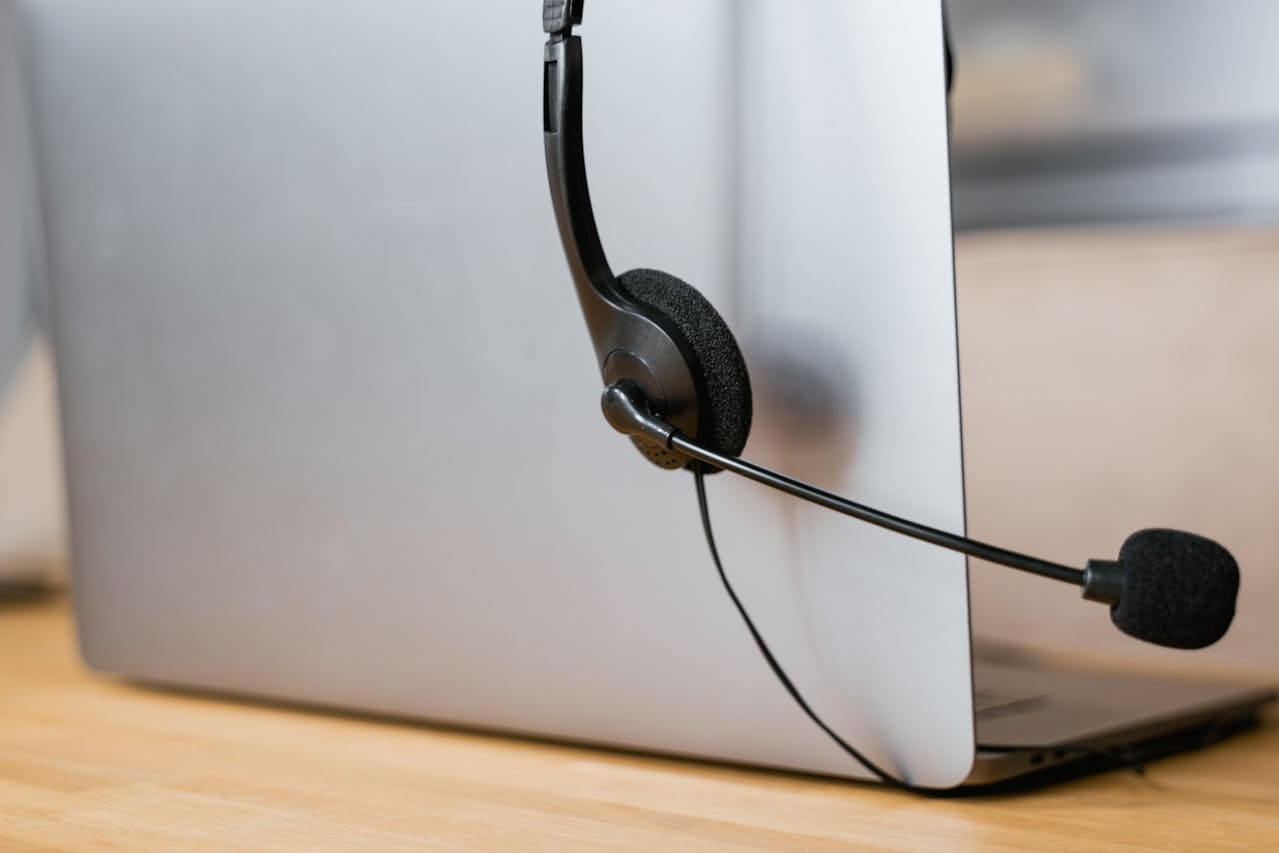
Got a busy schedule? Or prefer the idea of therapy from home? Telehealth is a great option. Telehealth therapy has become more widely available, and many more health professionals are offering online services as the latest research shows its effectiveness.
What does this mean for you? It means no commute, flicking through waiting room magazines, and the comfort of your own home. But to get the most out of your session, there are a few things to consider. Here are our top 10 tips for telehealth therapy.
1. Choose a space where you feel comfortable and private
Your surroundings shape how safe and open you feel during a session. A quiet, familiar environment can make it easier to speak honestly without holding back. This could be a bedroom, a study, or even your car if that’s the only place where you won’t be overheard.
If you live with others, it can help to let them know you’ll need some uninterrupted time. Even small interruptions can shift your focus, so setting that boundary in advance supports a more settled experience.
2. Check your devices before the session
Technical issues can break your concentration and make it harder to stay engaged. Taking a few minutes beforehand to test your Internet connection, camera, and microphone can help prevent unnecessary disruptions.
Making sure your device is fully charged or plugged in also helps you stay present, rather than worrying about losing connection partway through the session.
3. Position your device for comfort and eye contact
The way your device is set up can influence how natural the conversation feels. Placing your screen at eye level allows you to sit comfortably and maintain a more natural line of sight.
This small adjustment can make the interaction feel more personal, even though it’s happening through a screen.
4.Reduce distractions in your environment
Distractions can easily pull your attention away from the session. Notifications, background noise, or movement around you can interrupt your train of thought.
Taking a moment to silence your phone, close unnecessary tabs, and choose a quieter time of day can help you stay focused. Treating the session as dedicated time creates space for a more meaningful conversation.
5. Arrive a few minutes early to settle in
Starting a session while feeling rushed can make it harder to engage. Logging in a few minutes early gives you a chance to pause and gather your thoughts.
Sitting quietly, taking a few slow breaths, or simply allowing yourself to arrive mentally can help you feel more grounded before the session begins.
6. Write down what you’d like to talk about
It’s easy to forget important thoughts once the conversation starts. Writing down a few points beforehand can help you stay focused and make the most of your time.
This doesn’t need to be detailed. A few words or short phrases can act as gentle prompts during the session.
7. Speak openly about how the format feels
Online therapy can feel unfamiliar, especially in the early sessions. If something feels slightly uncomfortable or different, it’s okay to say so.
Bringing this into the conversation can help your therapist adjust their approach and create a more comfortable rhythm.
8. Allow time to build connection
Connection doesn’t always happen instantly, particularly in a virtual setting. Early sessions may feel a little more structured or tentative.
With time and consistency, many people find that the interaction becomes more relaxed and natural. Giving the process space to develop can help you feel more at ease.
9. Create a simple pre-session routine
A small routine before your session can help you shift into a more reflective state. This might involve making a cup of tea, sitting quietly for a few minutes, or reviewing your notes.
Over time, this routine can become a signal that it’s time to slow down and focus on yourself.
10. Give yourself time after the session to reflect
The end of a session doesn’t have to mean an immediate return to your usual pace. Leaving a bit of space afterwards can help you process what came up.
You might sit quietly, jot down a few thoughts, or take a short walk. This time allows the conversation to settle and can make it easier to carry insights into your day.
Final thoughts
Telehealth therapy offers a flexible and accessible way to engage in mental health support. With a bit of preparation and intention, it can become a comfortable and effective part of your routine.
If you’re considering therapy, speaking with a qualified professional can help you find an approach that feels supportive and manageable in your day-to-day life.