
Sleep is foundational to how you think, feel, and function. So when it becomes harder to sleep and you miss getting the rest you need, everything else can start to feel a little harder, too.
Thankfully, there are practical ways to help your body and mind settle into sleep more easily. We’ll look into each of them in this guide.
Why sleep doesn’t come easily for everyone
According to the Sleep Health Foundation, more than half of Australians report difficulties with sleep at least several nights a week. Additionally, around 14.8% may meet the clinical definition of chronic insomnia.
This pattern includes problems falling asleep, staying asleep, or waking too early, combined with poor energy, focus, or mood during the day.
These sleep difficulties affect people across all life stages and circumstances, often influenced by a mix of stress, habits, health, and mental wellbeing.
If you're finding it difficult to fall asleep, you're likely dealing with one or more of the following:
Mental overactivity, such as ruminating thoughts or anxious predictions about the next day
An irregular schedule, especially for shift workers or those caring for others
Use of screens or stimulants late in the day, which can delay your body's natural wind-down process
Disrupted sleep environment, such as light, noise, or discomfort in the bedroom
Stress related to work, finances, or relationships, which can keep the nervous system in a heightened state
Underlying conditions like insomnia, chronic pain, sleep apnoea, or depression
It’s important to identify what’s contributing to your sleep challenges, as this is the first step to finding a solution. In some cases, your doctor might have to assess you to rule out any medical conditions.
How to fall asleep faster and sleep better
1. Try to keep a steady sleep schedule
Your body thrives on rhythm. Going to bed and waking up at roughly the same time every day helps reinforce your body clock, also known as the circadian rhythm. This regularity makes it easier to feel sleepy at the right time.
Try to avoid sleeping in too long after a restless night. It may be tempting, but it can throw off your sleep pattern. Instead, stick to your usual wake-up time, which will help build up enough sleep pressure for the following night.
2. Set up your bedroom for sleep
A quiet, dark, and comfortable environment supports faster sleep onset. If your bedroom isn't helping you relax, even the best routines may fall short. Here are some bedroom tips to consider:
Cool the room to around 15 to 20 degrees Celsius before your bedtime
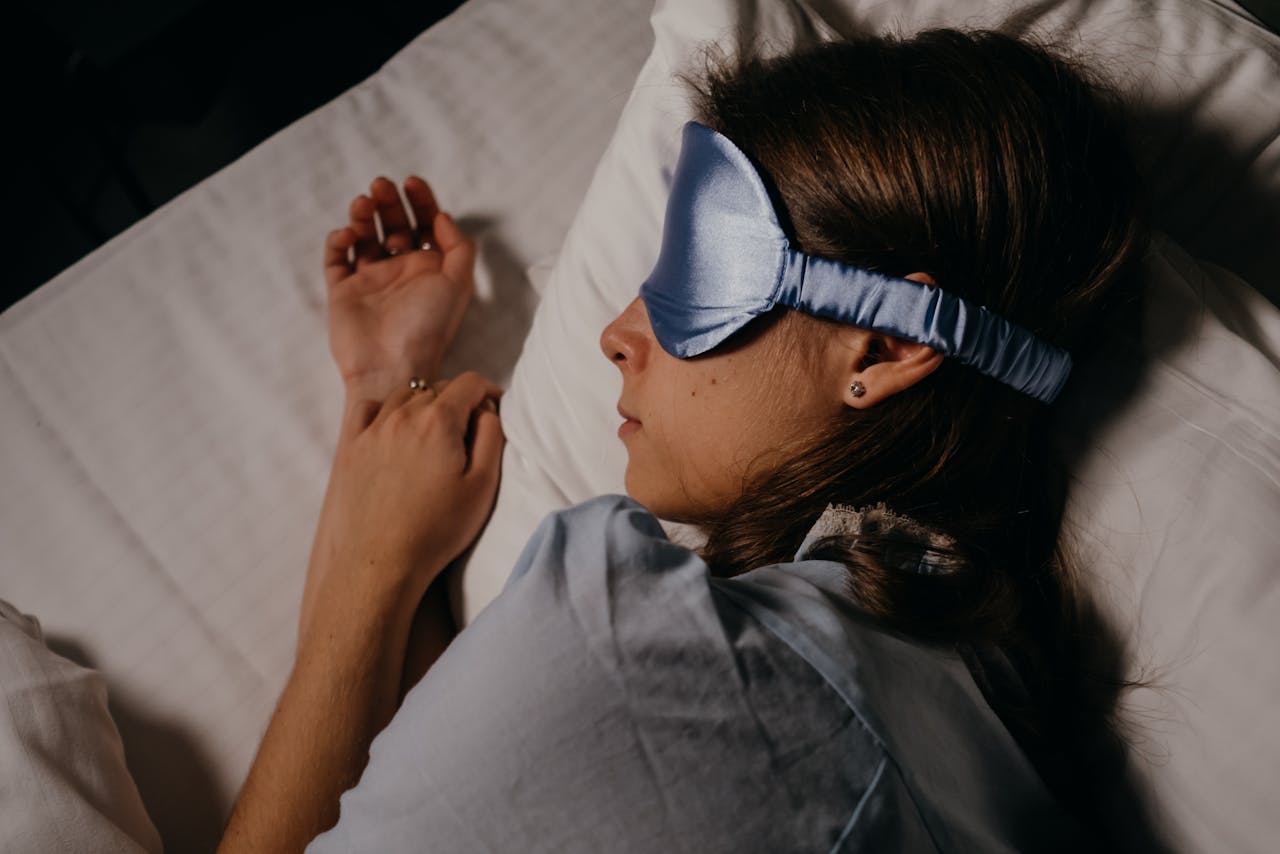
Use blackout curtains or an eye mask to reduce light exposure
Add a soft sound or a white noise machine to block out unpredictable noises
Choose bedding that feels good and supports your sleeping position
Avoid using the bed for work or scrolling, so your brain doesn’t connect these with sleep
3. Create a consistent wind-down routine
Giving yourself time to transition from daytime to bedtime allows your brain to slow down. Choose calming activities you can repeat each night, so your body starts to associate them with rest. You might try:
Turning off bright lights and screens an hour before bed
Listening to quiet music or an audiobook
Reading a physical book that you find calming
Taking a warm shower or bath
Stretching or doing gentle movement like yoga
Writing down what’s on your mind to clear mental clutter
4. Use mindfulness and grounding techniques to settle your mind
When thoughts are racing or you feel emotionally wired, mindfulness techniques can help interrupt the loop and anchor you in the present.
Techniques like doing a body scan meditation, visualisation, or other grounding activities can be especially useful when you're feeling anxious or unsettled.
5. Reduce habits that delay sleep
Some common behaviours can work against your body's natural urge to sleep, even if they feel helpful in the moment. Be mindful of:
Taking in caffeine in the afternoon or evening
Using alcohol to relax, which can fragment sleep and reduce deep sleep
Eating large meals late at night, especially spicy or rich foods
Taking long or late naps, which can reduce your sleep drive
Watching the clock, which tends to increase frustration and pressure
If you're lying awake for more than 30 minutes, it may help to leave the bed, go to a different room, and do something that doesn’t require a lot of energy until you feel sleepy again.
6. Address what may be happening beneath the surface
If you’ve been feeling constantly wound up, emotionally flat, or stuck in unhelpful patterns, your difficulty falling asleep may be part of a broader picture.
Ongoing stress, anxiety, or the strain of a difficult relationship can all affect sleep, even if you're exhausted.
Cognitive behavioural therapy for insomnia (CBT-I) is a short-term, structured approach that can help you identify and shift sleep-disrupting behaviours and beliefs. It's the first-line treatment for chronic insomnia and is available through psychologists, sleep clinics, and some telehealth services across Australia.
Of course, speaking with a therapist specialising in sleep issues is a necessary first step here.
Final thoughts
Good sleep doesn't always come easily, but it is possible to improve.
If falling asleep feels out of reach most nights, you don’t have to keep tossing and tossing to no avail. Consider the tips in this guide, and consider professional support if improving your routines and bedroom setup doesn’t make a significant difference.